
Singapore · Hong Kong · Asia-Pacific · online
Executive coaching for leaders in Singapore and across Asia-Pacific
Coaching for senior leaders in the region, online and in hours that suit it. Most people who get in touch are performing well and paying for it somewhere that doesn't show from the outside.
Why the usual development stops working
Knowing the pattern and changing it turn out to be different jobs
Most senior leaders who arrive here have already done the development, usually a coach at some point and a 360 or two. They can describe their own patterns accurately and at length. Then the pressure comes on in a room that matters and the same reaction runs anyway.
The reason is that the pattern sits below thinking. It runs in the nervous system, which is faster than deliberation and doesn't wait for it. Insight tells you what happens. Changing what happens is a different kind of training, and it is the part most leadership development skips.
What the work trains
Being settled under load is a leadership capacity, and it can be trained
The people others trust in a crisis are usually the most settled ones in the room. Being settled is what lets someone take bad news without flinching, or stay in a conflict without escalating it, and still think clearly while the pressure is on.
Most coaching works at the level of strategy and insight. This works underneath that, with how the system actually responds under load. Training it runs on repetition rather than understanding, which is why most of the change happens between sessions rather than in them. Somewhere around thirty repetitions a response starts to feel familiar. It takes a few hundred before it holds under real pressure, and a few thousand before it stops being a technique and becomes simply how someone is.
Who calls, and about what
Six territories that come up most
The people who get in touch are usually senior leaders and executives in Singapore, Hong Kong and across the region, carrying pressure that has stopped letting up. Tech, finance and consulting make up most of it, often someone whose performance is fine while their recovery has quietly stopped working. Founders who can't switch off come up a lot, as do expats in the middle of a transition, whether that's a new role, a new country or a separation. There is always a group who have done every bit of development on offer and still hit the same wall.
Executive presence
Gravitas that is felt rather than performed. Presence is largely what a settled system looks like from the outside, and that part is trainable.
Leading under pressure
How the response actually goes in conflict, and in the rooms where the stakes are real. The work trains the response, not the awareness of it.
Difficult conversations
Saying the hard thing without escalating or going quiet, and holding a position without hardening into it.
Intention and impact
When 360 feedback keeps arriving as a surprise, the gap usually sits in how someone comes into a room before they have said anything.
Burnout and recovery
Rebuilding the capacity to actually stop, so that performance stops running on threat.
Transitions
Bigger scope, a new market, a relocation, a separation. The point where the old way of operating stops working and something steadier has to be built.
Navigating a dynamic international team while trying to make a real impact is hard if you don't know how your words and actions land. Rudi helped me understand why I respond the way I do, pointed out patterns I couldn't see myself, and gave me practical tools to pause and act with intention.
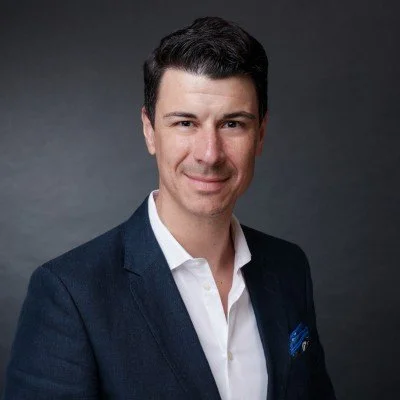 BarisHead of Corporate Development, SIG Group
Why a coach based in Melbourne
Close enough to the region to be practical, and inside it long enough to know the rooms
Melbourne runs two to three hours ahead of Singapore depending on the season, so a Singapore morning lands in a Melbourne late morning. Same-day scheduling across Asia-Pacific is straightforward, and sessions run online by video.
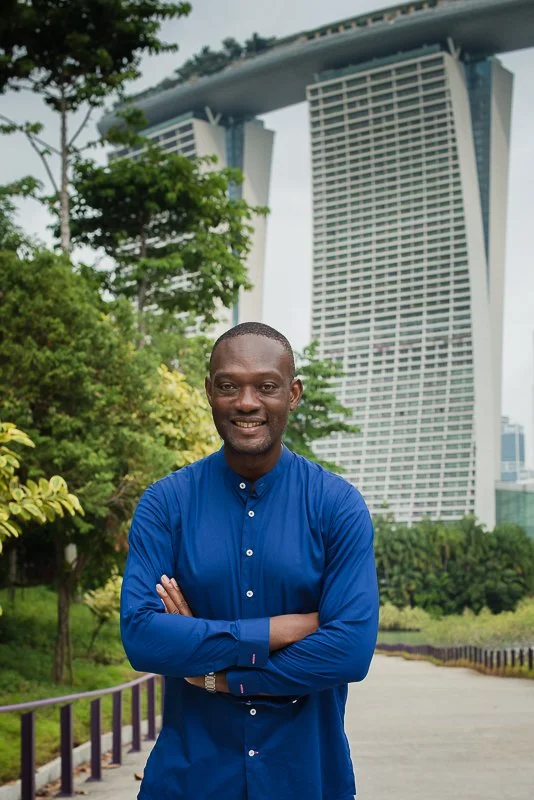
Rudi Doku lived and worked in Singapore earlier in his career. Management consulting came first, including time at Accenture and Deloitte, then a decade coaching leaders across five continents. He is an ICF Professional Certified Coach, a Certified Integral Coach through New Ventures West and a Somatic Experiencing Practitioner, and holds the Executive Master in Change from INSEAD. Engagements have included leadership development and coaching associated with Standard Chartered Bank, SAP, Oliver Wyman and the University of Melbourne, alongside work in cross-cultural corporate settings.
When the organisation is paying
Sponsored engagements are built differently, and the structure is the point
An employer-funded engagement has a second party with an interest in it, which changes what has to be agreed up front.
Three-way contracting
The leader, the sponsor and the coach agree the development goals together at the start, so nobody is working toward a different outcome from everyone else.
Stakeholder input where it helps
Managers, peers and HR partners can be interviewed where the engagement calls for it, so the work is grounded in how the leader actually lands rather than in self-report alone.
Reporting boundaries in writing
Themes and progress against the agreed goals can go to the sponsor. The content of sessions never does. Setting that out before the work starts is what makes the work possible.
A defined arc
Engagements run in phases with a midpoint review rather than continuing indefinitely.
What organisations buy, with prices · Executive coaching in full
My firm provided the coaching, but I kept coming back because it was genuinely useful. Rudi helped me stay calm through significant leadership change, build daily practices that stuck, and communicate more confidently. I came for stress management and left with a different sense of myself as a leader.
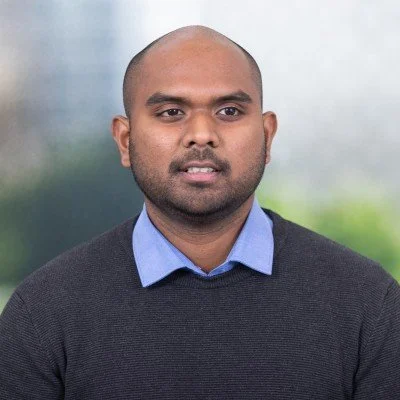 AnujaDirector, Deloitte
Before you get in touch
The questions that come up first
Is this coaching or therapy?
Coaching. The approach is body-based and trauma-informed, which is not the same thing as psychotherapy, and it is not a substitute for mental health treatment. If therapy is what the situation calls for, you will be told so and pointed somewhere useful.
How do the time zones work?
Melbourne runs two to three hours ahead of Singapore depending on the season, so a Singapore morning lands in a Melbourne late morning. Same-day scheduling across the region is straightforward.
How do sessions run?
Online by video, usually fortnightly, with specific practices in between. The practices are where most of the change happens, so the between-session work matters more than the hour itself.
Is it confidential?
Yes. On an employer-sponsored engagement, themes and progress against the agreed goals can go back to the sponsor. What is said in a session does not. That boundary is written down before anything starts.
How long does an engagement last?
It depends on what is being worked on, and it gets discussed honestly on the first call rather than assumed. This is not open-ended coaching by default.
Is this only for Singapore?
No. Singapore is the natural base given the history there, but the work runs across Hong Kong, the wider Asia-Pacific region, Australia and further afield.
I'd recommend this especially to people who think they know themselves, but for some reason keep hitting the same wall. There's a chance you've been intellectualising your journey, and there's so much wisdom available through a somatic approach.
Next step
Forty-five minutes to work out whether this is the right work
Vertical Development Consulting Pty Ltd · ABN 15 628 060 015 · Melbourne, coaching online across Singapore, Asia-Pacific and internationally · rudi@vertdev.co